Europe Needs More Helicopter Pilots: What Does This Mean for the Next Generation of Rotary-Wing Pilots?
The European helicopter industry is entering a period where experience, operational readiness and pilot availability are becoming increasingly important. For the next generation of rotary-wing pilots, building meaningful flight experience could be one of the most important steps in preparing for a long-term aviation career.
The helicopter industry has always been cyclical. Demand for pilots rises and falls depending on economic conditions, operator requirements and developments across sectors such as tourism, offshore operations, emergency medical services, utility aviation and aerial firefighting.
But in 2026, a number of developments are bringing the question of pilot availability back into focus.
A recent analysis published by HeliOps describes the global helicopter pilot shortage as a continuing industry concern, while current European emergency aviation operations are demonstrating the growing demand for aircraft and experienced aviation personnel.
For aspiring European helicopter pilots, the message is important:
Getting your licence is only the beginning. Building the right experience may be what determines where your career can go next.
Europe’s Changing Helicopter Environment
Across Europe, helicopters perform some of the most demanding aviation roles in the industry.
They transport critically ill patients.
They support mountain and maritime rescue operations.
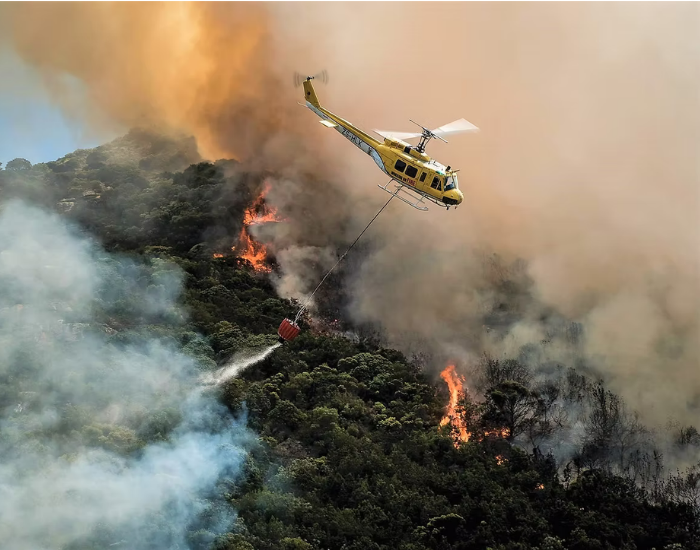
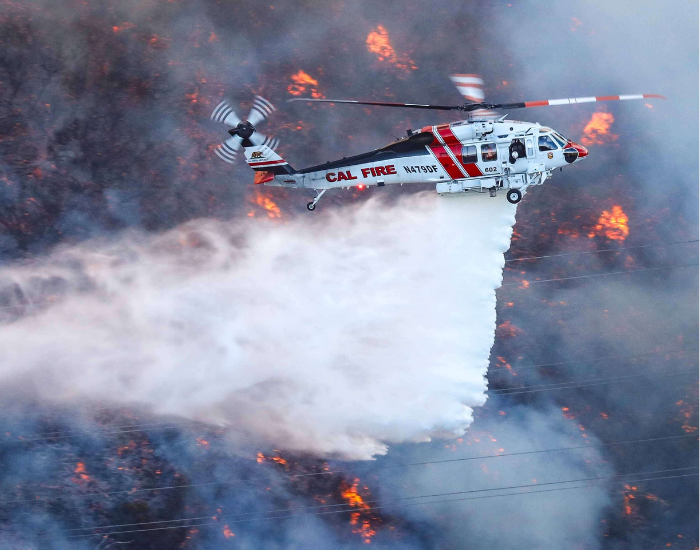
They fight wildfires.
They conduct offshore and utility operations.
They support law enforcement and public safety.
And they provide commercial transportation and tourism services.
Many of these operations require pilots who can operate safely and confidently in challenging environments.
At the same time, Europe is experiencing increasing pressure on emergency aviation resources.
The 2026 wildfire season provides a particularly clear example.
The European Commission has described wildfire risk as increasingly frequent and destructive. For the 2026 season, the EU has placed 22 firefighting aircraft and five helicopters on standby, alongside hundreds of firefighters and specialist teams.
And the demand is not theoretical.
In July 2026, Europe’s largest aerial emergency services provider, Avincis, warned that increasingly severe and extended wildfire seasons are putting significant pressure on available aircraft and experienced pilots. The company also highlighted difficulties in recruiting pilots from outside Europe and the challenges associated with validating experience and qualifications.
This is an important development for the aviation industry.
The future requirement is not simply for more helicopters.
It is for qualified, experienced and operationally capable helicopter crews.
A Licence Is a Starting Point — Not a Career
For a newly qualified helicopter pilot, receiving a licence is an enormous achievement.
But it is also the point where the real professional journey begins.
A pilot with a licence and limited experience may still need to build substantial flight time before becoming competitive for many commercial helicopter positions.
This creates one of the biggest challenges facing newly qualified pilots:
How do you turn a licence into meaningful operational experience?
The answer is not simply to accumulate hours as quickly as possible.
The quality and diversity of those hours matter.
A pilot who has experience with navigation, varying terrain, changing weather conditions, different operational environments and different helicopter platforms can develop a much broader skill set than someone who has spent most of their flying in one familiar environment.
The Importance of Building Experience Early
The early stages of a helicopter career are an opportunity to establish good habits and develop confidence.
This is where structured hour building can play an important role.
Rather than viewing hour building as simply adding numbers to a logbook, pilots should look at each flight as an opportunity to develop professional capability.
That can include:
Navigation
Planning and conducting longer cross-country flights develops workload management, situational awareness and decision-making.
Terrain Awareness
Mountainous and varied terrain introduces pilots to different visual references, wind patterns and operational considerations.
Radio Communication
Operating in different airspace environments helps pilots develop clear and professional communication skills.
Flight Planning
Fuel planning, weather assessment, route selection and contingency planning become increasingly important as flights become more complex.
Aircraft Management
Regular flying builds familiarity with aircraft handling, performance considerations and cockpit workload.
Decision-Making
Experience provides pilots with opportunities to recognise changing conditions and make appropriate operational decisions.
These are the skills that gradually transform a newly qualified pilot into a more capable commercial pilot.
Why Experience Could Become Even More Important
The aviation industry does not simply need pilots who can fly.
It needs pilots who can operate.
There is a significant difference.
Flying a helicopter safely during a routine training flight is one thing.
Managing navigation, weather, terrain, radio communication, aircraft performance and operational decisions during a demanding commercial mission is another.
This is why experience matters.
The more varied the flying environment, the more opportunities a pilot has to develop the judgement and confidence required for professional operations.
For young European pilots planning a career in helicopter aviation, this raises an important question:
What should you do with your first 100, 200 or 300 hours after qualification?
Building Hours With a Purpose
At QD Aviation Services, we believe hour building should have a purpose.
Our Training Rotary Wing Hour Building programmes are designed for pilots who want to use their flying time to develop experience rather than simply accumulate hours.
Our Package 2 programme takes this approach further by combining rotary-wing hour building with exposure to different helicopter platforms and operational environments.
The programme includes:
60 Flight Hours
Designed to provide a substantial period of focused flying and experience building.
40 Hours on the Cabri G2
Providing extensive experience on a modern light helicopter platform while developing core rotary-wing skills.
20 Hours Initial Turbine on the Robinson R66
Introducing pilots to turbine helicopter operations and providing experience on a different class of aircraft.
This combination gives pilots the opportunity to broaden their experience rather than spending the entire programme on a single aircraft type.
From Hours to Experience
For European pilots considering their next stage after completing their licence, the question should perhaps not be:
“How cheaply can I get my next 50 hours?”
A better question is:
“What will those 50 hours add to my experience?”
Will they expose you to different terrain?
Will they improve your navigation?
Will you develop greater confidence?
Will you experience another helicopter platform?
Will you encounter different operational environments?
Will you become a better pilot?
These are the questions that can make hour building a genuine investment in your career.
The Next Generation of European Helicopter Pilots
The helicopter industry will continue to evolve.
New technology will change the cockpit.
Regulations will continue to develop.
Aircraft will become increasingly sophisticated.
But one thing will remain fundamental:
Experienced pilots will always be needed to operate aircraft safely and professionally.
For the next generation of European helicopter pilots, this creates both a challenge and an opportunity.
The challenge is getting from newly qualified pilot to experienced commercial pilot.
The opportunity is to deliberately build the experience that can help bridge that gap.
That is where structured international hour building can become valuable.
Build Your Experience. Build Your Future.
At QD Aviation Services, we work with international pilots who want to take their next step in rotary-wing aviation.
Our programmes are designed to give European pilots the opportunity to build meaningful flight experience while flying in a professionally structured environment in South Africa.
Because your logbook is more than a collection of numbers.
Every hour is part of the pilot you are becoming.
If you’re a European helicopter pilot planning your next stage of professional development, explore Training Rotary Wing Hour Building Package 2 and discover how structured flying can help you build the experience for your next aviation opportunity.
Your licence got you into the cockpit. Your experience can take you further.